Retro handheld console under €150
All our retro handheld consoles under €150. On this budget, you comfortably cover 8-bit and 16-bit systems, the Game Boy Advance, the PlayStation 1 and the Nintendo 64 — the essentials of retro gaming. The Linux models in this range boot in a few seconds and accept open-source firmware such as muOS, Knulli or ROCKNIX. Supplied without games: you play what you own. 2-year legal guarantee of conformity and French customer service.
26 items26 available right now
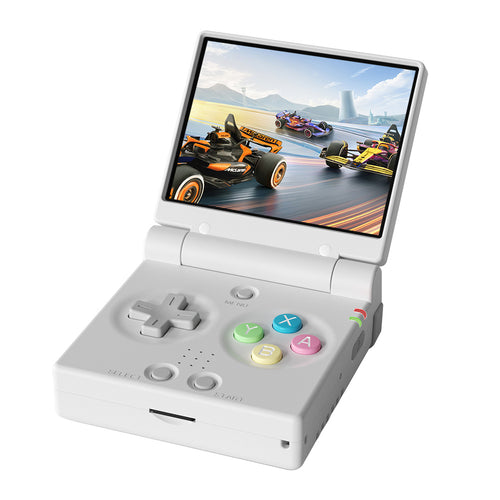
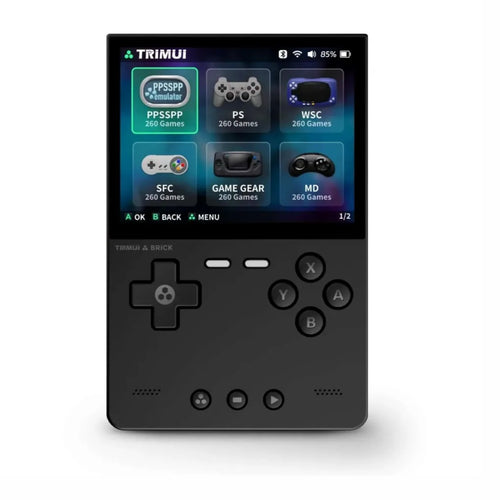
Under €150: how far emulation goes on this budget
Questions fréquentes
Which systems run well under €150?
8-bit and 16-bit consoles as well as the Game Boy Advance run smoothly across the whole selection. The PlayStation 1 and Nintendo 64 also work, with variations depending on the game and the emulator used.
Which screen format should you choose?
4:3 shows off 8-bit and 16-bit consoles without black bars on the sides, while 16:9 is better suited to more recent systems and video. The diagonal, from 2.8 to 4 inches, determines how much room it takes up in a pocket.
Should you plan for an extra microSD card?
It's recommended. A card from a well-known brand reduces read errors and lost saves, and it lets you try another firmware without touching the original card.