Docks & hubs
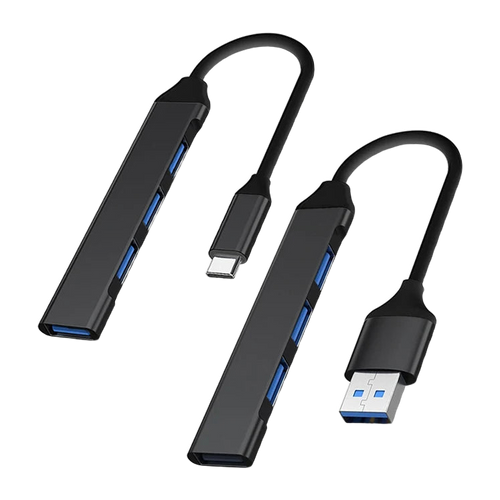
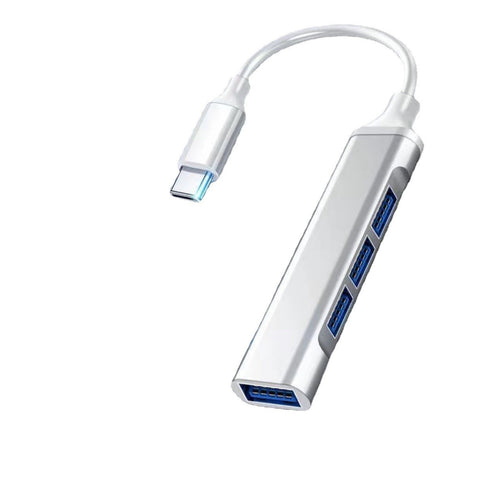
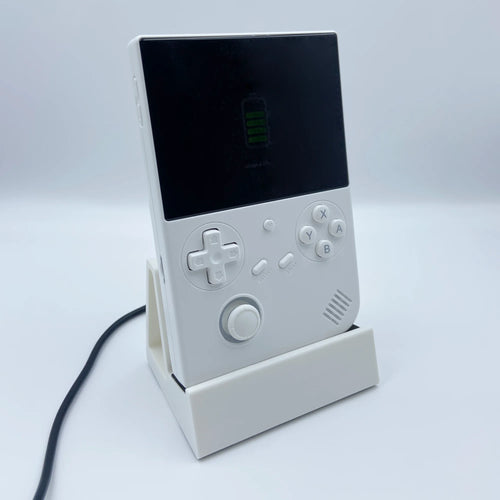
Docks and hubs are there to multiply the ports and simplify charging in a retro setup. You will find four-port USB 3.0 hubs, available with a USB-A or USB-C connector and a short 15 cm cable, a magnetic charging dock for the Anbernic RG40XXV and a metal MiSTer FPGA case with a built-in hub.
7 items7 available right now
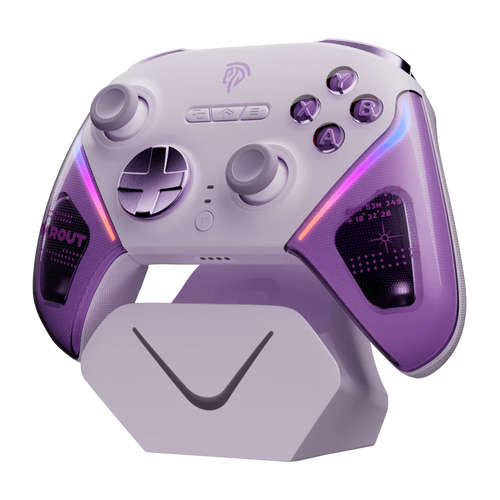
EasySMX
EasySMX D10 Purple controller: TMR sticks, dock, 1000Hz Available
80,99€
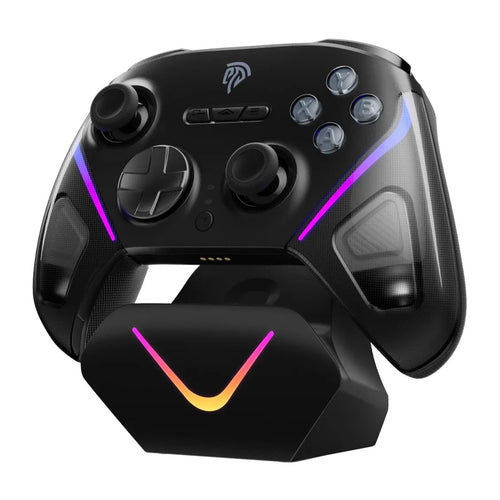
EasySMX
EasySMX D10 Black Multi-platform Gaming Controller Available
80,99€
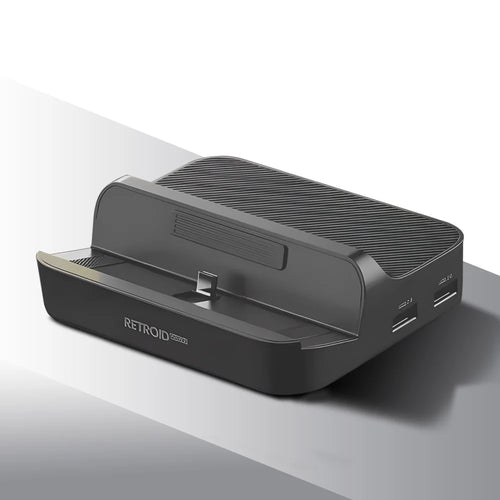
Fun-Esports
Retroid Pocket 5 Dockingstation für Retroid Pocket 4 Pro / RP5 / Retroid Pocket Mini Spielkonsolen-Dock Zubehör CustomAvailable
63,99€
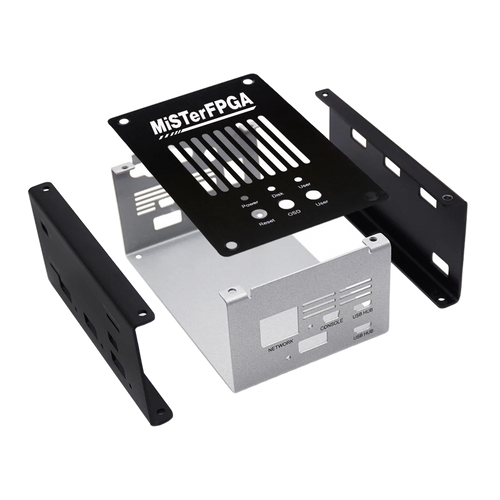
Fun-Esports
MiSTer FPGA metal case for DE10-Nano — USB hub and I/OAvailable
45,99€
Fun-Esports
4-port USB hub, USB-A or USB-C — USB 3.0 standard, 15 cm cableAvailable
16,99€
Fun-Esports
4-Port USB Hub for a Gaming Setup — USB-A or USB-C VersionAvailable
14,99€
Anbernic
Magnetische Ladestation für RG40XXV Zubehör, praktische Ladestation für rg40xxv, Displayständer, LadebasisAvailable
35,99€
Available ports, power and footprint: the three useful criteria
Questions fréquentes
Is a four-port USB 3.0 hub enough for a retro station?
In most cases yes: two controllers, a microSD card reader and a stick already take up the four ports. If you plug in a bus-powered external hard drive, watch for dropouts, because the ports share the current delivered by the host machine.
Does the magnetic dock suit consoles other than the RG40XXV?
No, this dock is designed for the Anbernic RG40XXV: the magnet placement and the connector position match that specific model. For another handheld, a stand paired with a right-angle USB-C cable does the same job with no compatibility constraint.
Should you choose the USB-A or the USB-C version of the hub?
Look at the port available on the machine that receives the hub. A desktop PC or a MiSTer calls for USB-A; a recent laptop or a modern handheld console calls for USB-C. The four downstream ports remain USB-A in both cases.