Batteries & save batteries
Save batteries keep the high scores and saved games inside retro cartridges. This page brings together 3 V CR1616, CR1620 and CR1632 lithium coin cells, the 28-pin FRAM memory chip FM1808, FM18W08 or FM16W08 that removes the need for a battery, and the RetroScaler real-time clock board intended for the MiSTer FPGA.
3 items3 available right now
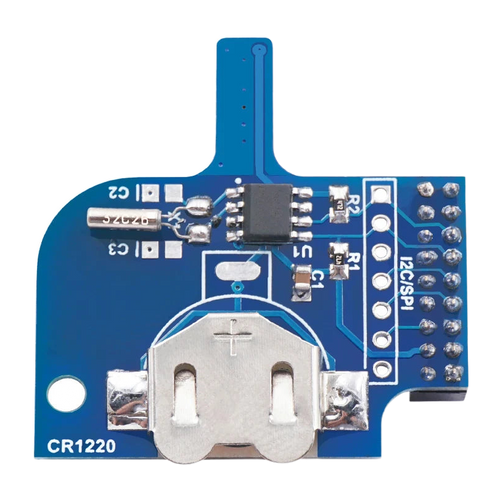
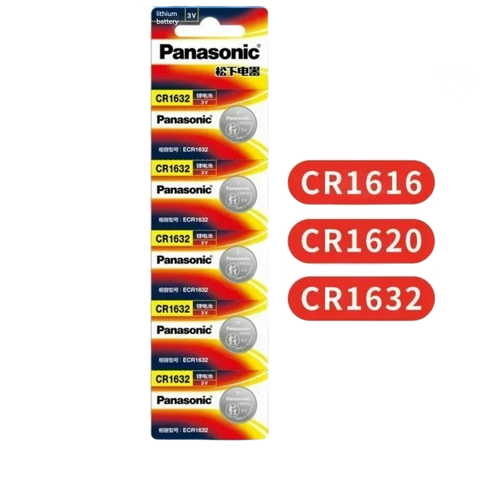
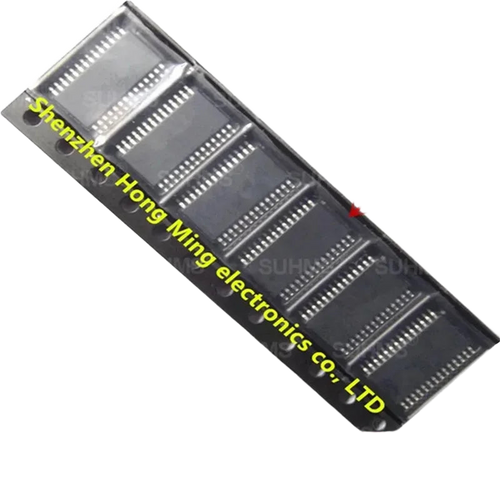
Coin cell, FRAM chip or real-time clock: three answers to the same symptom
Questions fréquentes
How can I tell whether my cartridge battery is dead?
The clearest sign is losing the save every time the console is switched off, or an internal clock that goes back to zero. A multimeter settles it: a lithium cell rated at 3 V that has dropped well below 2.5 V no longer holds the memory.
Does the coin cell have to be soldered?
On an original cartridge the cell is held in place by soldered tabs, not clipped in. You can solder in a new cell with tabs, or fit a holder so that later replacements are immediate. In both cases you have to work quickly so as not to heat the body of the cell.
Does the FRAM chip suit every cartridge?
No. It replaces a 28-pin memory with a compatible pinout, a common situation but not a universal one. Check the reference printed on the original chip before choosing between FM1808, FM18W08 and FM16W08, and plan on desoldering a 28-pin package.