Console Accessories
Get the most out of your handheld consoles with our accessories: cases, grips, cables and SD cards. Carry, protect and play without limits.
Accessories for retro handheld consoles are not mere add-ons: they determine how long your console stays in good shape, how comfortable it is to hold and how many games it can store. Whether you play on Anbernic, Retroid Pocket, TrimUI, Powkiddy, Miyoo or Ayn, this page walks through the main accessory families and points you to the right specialist collection.
The five accessory families
Protection
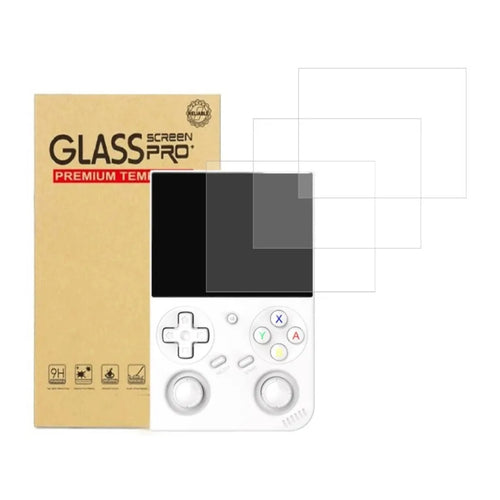
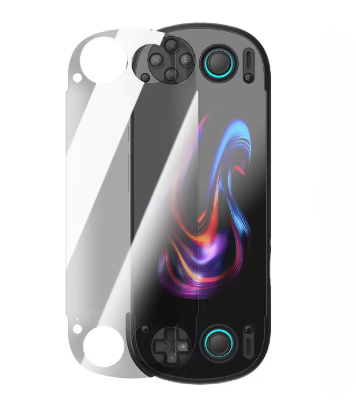
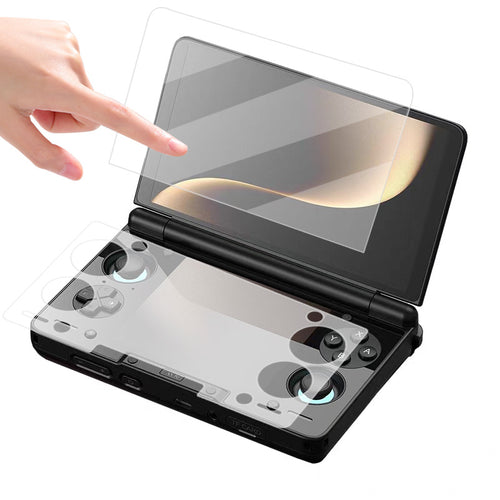
It plays out on two fronts. The screen first, where tempered glass cut to the size of the panel absorbs everyday scratches. The body next, with cases and sleeves that prevent abrasion and corner impacts. The two are complementary: a sleeve does nothing during a gaming session, tempered glass does nothing inside a backpack.
Ergonomics
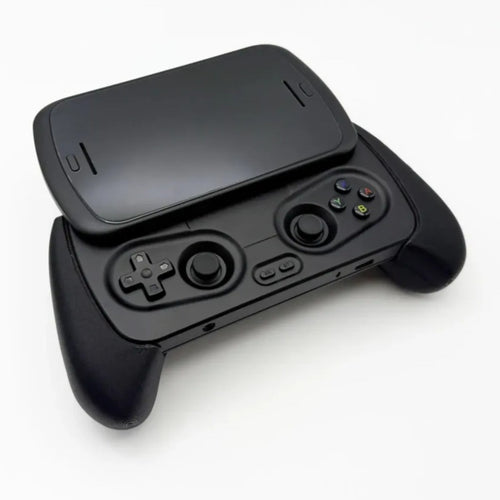
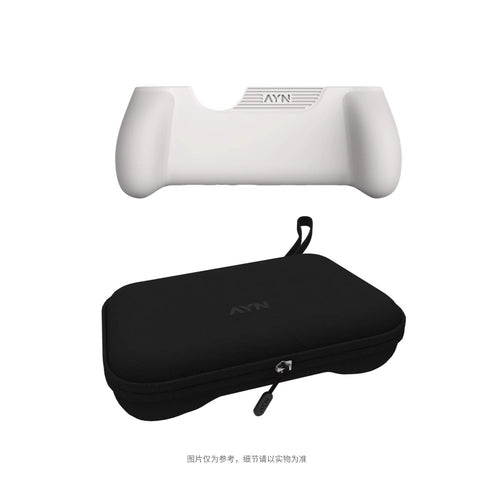
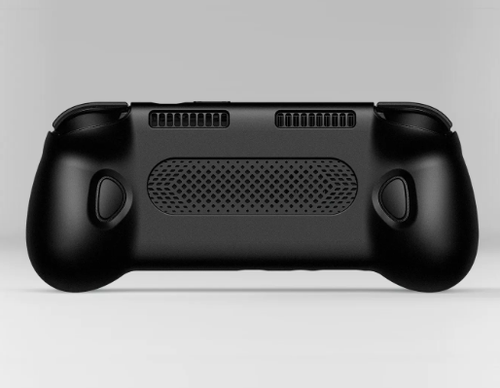
Retro handheld consoles are designed slim so they fit in a pocket, which forces the hands into a pinch grip that becomes tiring over time. A grip adds volume at the back, shifts the support towards the palm and straightens the wrists. It is the accessory with the best comfort-to-price ratio.
Storage
The microSD card holds the system, the games and the saves. The deciding criterion is not the advertised sequential speed but random access performance, measured by the A1 and A2 classes: it governs how game lists display and how ROMs load. Capacity is chosen according to the systems you emulate.
Charging and connectivity
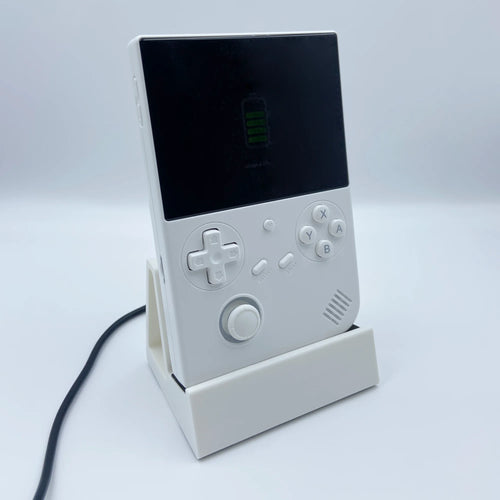
Recent consoles charge over USB-C and support varying power levels. A suitable charger avoids endless charging times; a dock lets you connect the console to a TV. Power levels and protocols vary from one model to the next: check compatibility on the product page.
Carrying
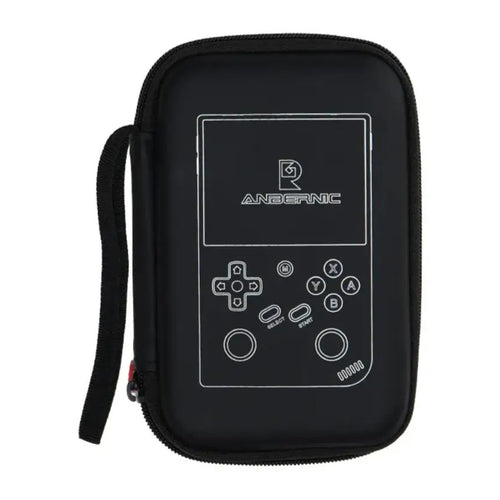
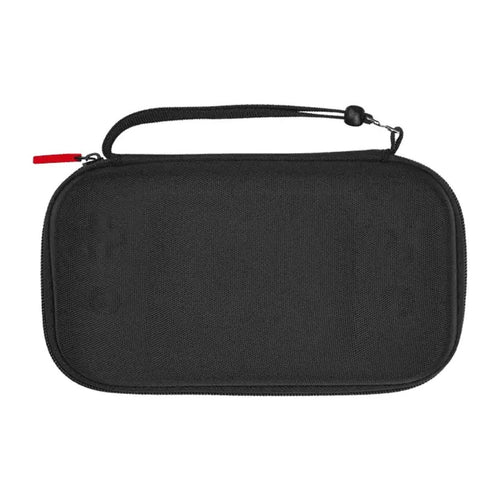
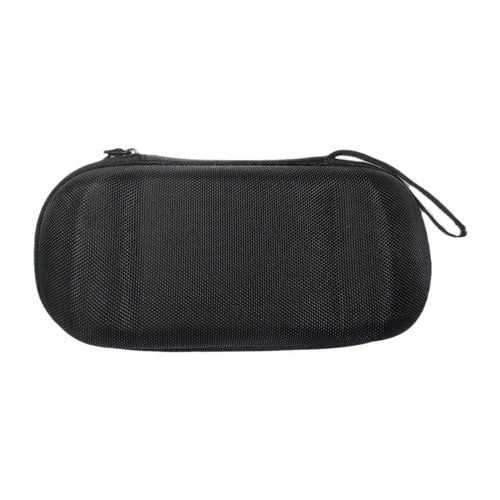
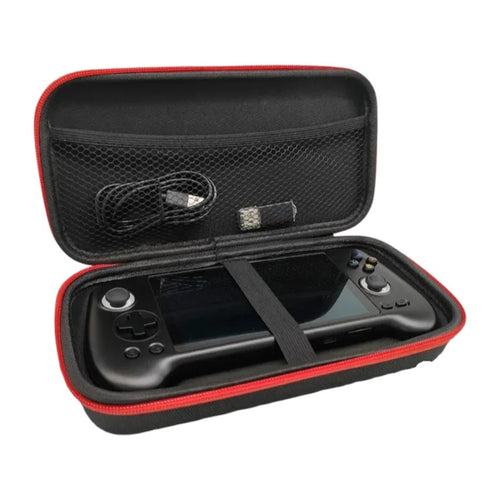
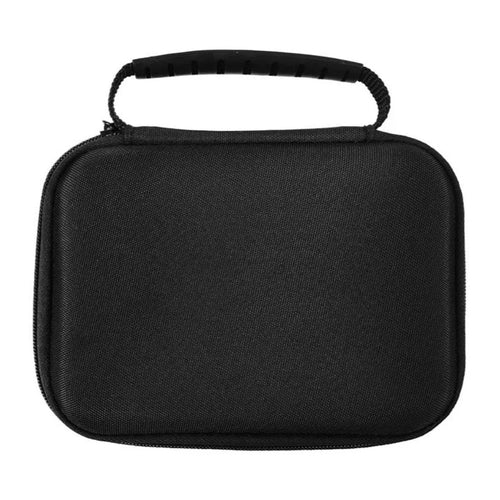
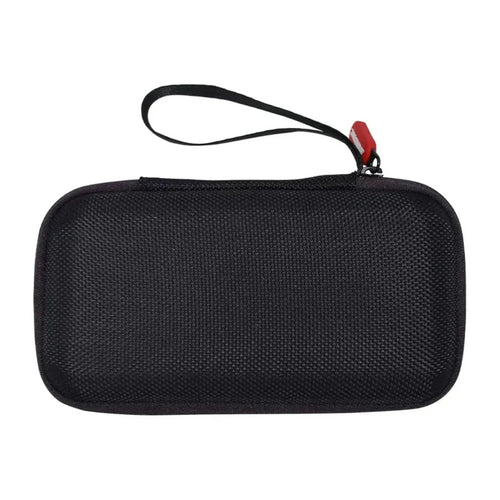
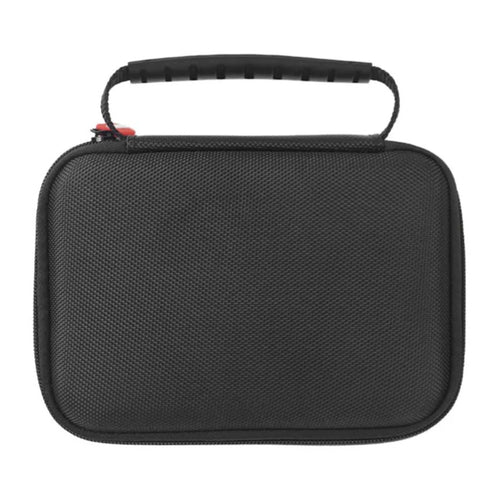
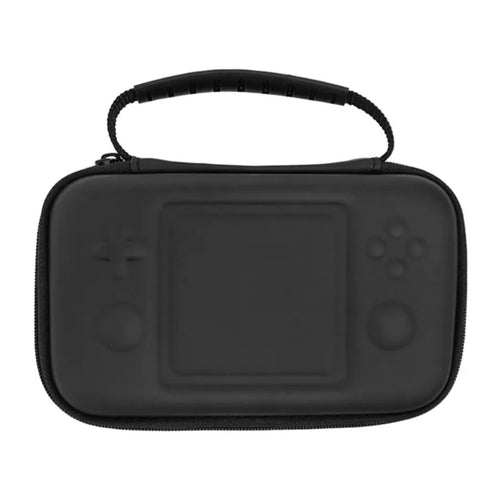
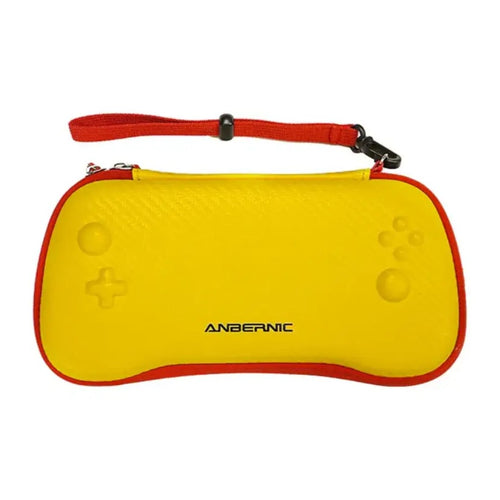
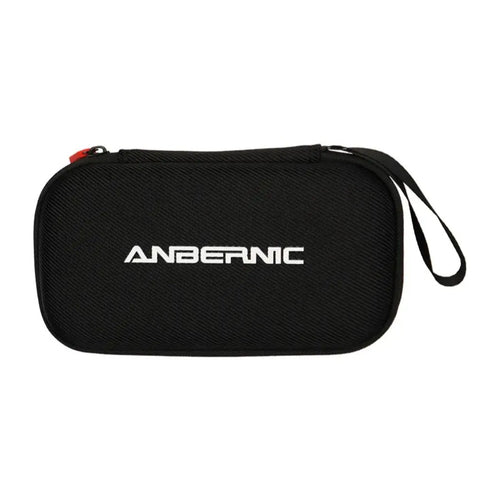
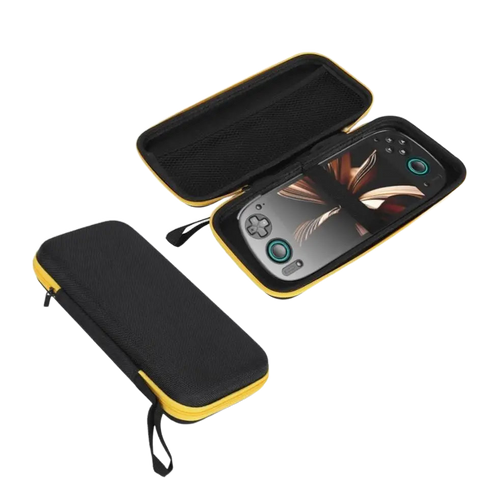
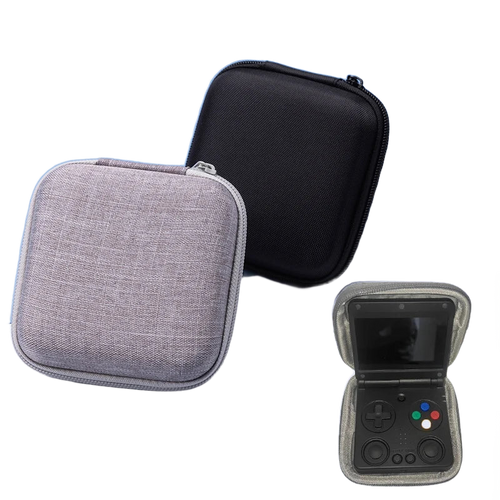
An extension of protection, with an organisational dimension: a good case also stores the spare microSD card, the cable and the earphones. A frequently overlooked point: universal flat-bottomed cases press on the analogue sticks, hence the value of a model cut for your console.
Where to start, depending on your profile
First console
Three purchases cover the essentials: tempered glass cut to your panel size, a sleeve cut for your model and a microSD card rated at least A1, sized according to the systems you plan to emulate.
Long sessions
The grip becomes the priority: fatigue during long sessions comes from the pinch grip imposed by a slim body, and that is exactly what a pair of handles corrects. Also consider a suitable charger.
Frequent travel
Go for a hard case rather than a soft pouch: it resists crushing in a loaded bag and protects the corners. Choose one with compartments for cables and cards, and check that the lining is soft.
Our specialist collections
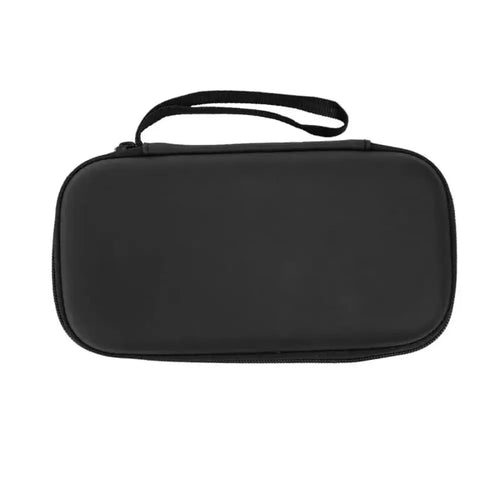
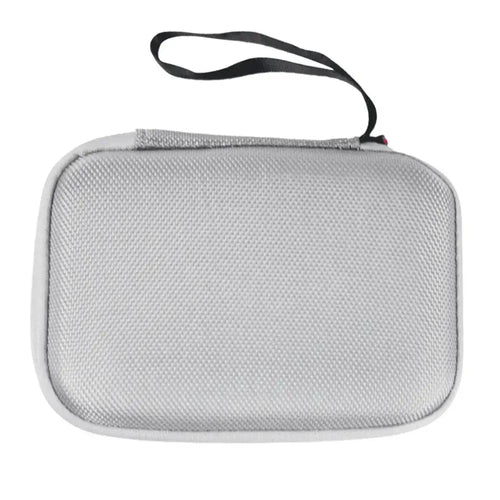
Each family has its own dedicated page with a detailed buying guide. The microSD card collection covers speed classes, the A1 and A2 ratings, FAT32 and exFAT formatting and how to spot a counterfeit. The cases and sleeves collection compares hard cases with soft pouches and explains why the exact size of the console is decisive. The ergonomic shells and grips collection covers 3D printing versus injection moulding, handling according to hand size and the effect of a grip on overall bulk.
Our selection
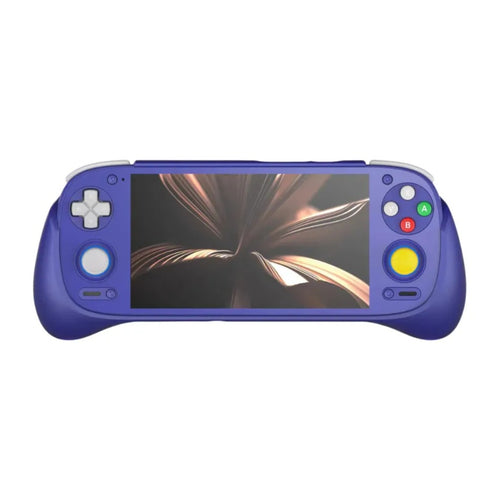
For screen protection, the RG35XX Pro tempered glass screen protector, the RP5F tempered glass for Retroid Pocket 5, the tempered glass for RG CubeXX, the Anbernic RG40XXV screen protector and the TrimUI Brick screen protector cover the most common formats. For carrying, the Anbernic RG406V case, the RG35XX H case, the RG35XXSP case and the Retroid Pocket Flip 2 case each target a specific model. For ergonomics, see the Retroid Pocket 5 ergonomic grip, the TrimUI Brick grip or the Miyoo Mini Plus ergonomic grip. Finally, the Asus 65W Type-C charger and the official Retroid 7-in-1 dock round out the charging and connectivity side. Check compatibility on the product page before ordering.
Accessory family table
| Family | What it solves | Examples from the catalogue | Dedicated collection |
|---|---|---|---|
| Screen protection | Scratches while playing and when setting the console down | RG35XX Pro, RG CubeXX and TrimUI Brick tempered glass | — |
| Cases and sleeves | Abrasion, crushing, corner impacts | Anbernic cases, Retroid Pocket 5 cases | Cases and sleeves |
| Ergonomic grips | Hand fatigue during long sessions | Retroid Pocket 5, TrimUI Brick and Miyoo Mini Plus grips | Shells and grips |
| microSD storage | Library size and loading times | Branded microSD and microSDXC cards | microSD card |
| Charging and connectivity | Charging time and video output | Asus 65W Type-C charger, Retroid 7-in-1 dock | — |
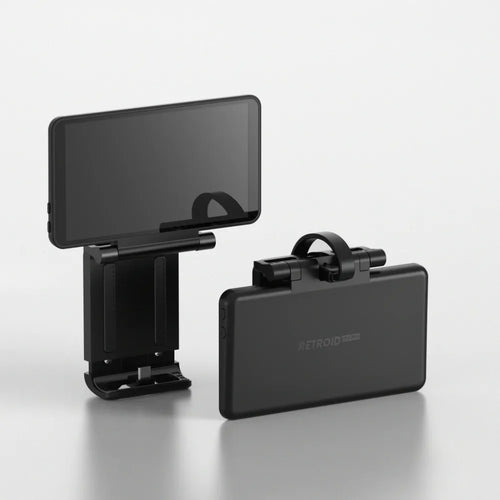
| Display expansion | Second screen for certain uses | Retroid Dual Screen Add-on | — |
Frequently asked questions
Which accessories should I buy first?
Start with tempered glass cut to your panel size, a sleeve cut for your model and a microSD card rated at least A1: that trio covers protection while playing, protection in transit and ROM storage. The grip comes next, as soon as your sessions run past an hour.
Is a sleeve enough to protect the screen?
No, and this is a common misconception. A sleeve handles the scratches and knocks picked up in transit; tempered glass handles those that happen during play or when you set the console down. The two complement each other. Check that the glass is cut for the exact diagonal of your panel.
Are accessories interchangeable between models?
Rarely. Cases, grips and tempered glass are cut for a specific body, and a few millimetres of difference are enough to make an accessory unusable. Only microSD cards and part of the connectivity gear are universal. Check compatibility on the product page.
Which microSD card for a retro console?
Look first at the A1 or A2 rating, which measures random access performance, rather than video logos such as V30. Capacity depends on the systems you emulate: 32 to 64 GB for 8-bit and 16-bit, 128 to 256 GB from the PS1 and PSP onwards, more for the PS2. Our dedicated collection covers all of these criteria.
Is a grip worth the investment?
If you play for more than an hour at a time, yes. A slim body forces you to hold the console with the small muscles of the hand, which tires quickly. The grip transfers that support to the palm and steadies your access to the triggers. It does add thickness, however, which can prevent storage in a snug case.
Explore our specialist collections: microSD cards, cases and sleeves and ergonomic shells and grips. Looking for a new machine? Discover our handheld consoles and our Anbernic range.